
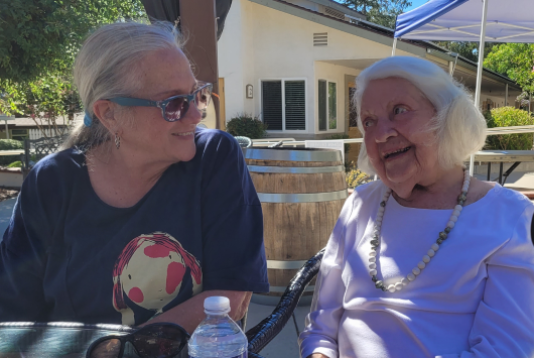
A recent report reveals that people aged 60 and older will make up 25% of Santa Barbara County population by the year 2030. It is estimated that one in three seniors will have cognitive or physical disabilities, and yet, approximately 90% of seniors want to remain in their homes. Access to transportation and food often becomes a barrier to seniors who would like to age in place.
A Women’s Fund grant of $62,500 to Community Partners in Caring (CPC) will expand transportation services for seniors and those with disabilities in south Santa Barbara County. The expansion will help give more people the opportunity to stay in the homes they love, surrounded by the memories they’ve built.
Growing older or living with a disability should never mean growing isolated. While the loss of mobility and the ability to drive can feel like a sudden roadblock after a lifetime of independence, it doesn’t have to be insurmountable. The CPC’s Volunteer Caregiving Program serves as a vital bridge to the world, turning a simple ride into a lifeline of hope. By connecting neighbors with neighbors, they help ensure that essential needs—like medical care, nourishing food, and the comfort of human connection—are always within reach.
Most clients come to CPC by referrals from numerous partner agencies, friends, doctors’ offices, or word of mouth. Fully 72% of the agency’s clients currently served in southern Santa Barbara County are women, with an average age of 78.6 years; 60% live alone and a majority are low-income.
Take Anna, for example. Anna had to give up her car keys last month after 65 years of driving, and her previously independent life has changed dramatically. How will Anna get to her medical appointments or buy groceries? How will she pick up prescriptions, get vaccinations, or meet her friends to play cards?
That’s where a dedicated volunteer from CPC steps in. Most volunteers are also seniors and become a friendly neighbor, helping hand, and listening ear, offering transportation and support at no cost. They drive clients to medical appointments, pharmacies, and grocery stores. They provide socialization through friendly visits and reassurance calls and can note any changes in cognitive function that may require referral to other agencies.
In addition to providing support to seniors and disabled people, CPC educates their community of volunteers, who are often seniors themselves, by providing training around issues related to aging, keeping them physically and mentally active, and supporting their sense of living purposefully.
As Hilda Zacarias, Executive Director of Community Partners in Caring, says, “Community Partners in Caring strengthens community by strengthening how we treat one another. We aren’t just providing transportation; we are honoring a lifetime of independence and keeping our community whole.”