
The need for mental health counseling in our schools is well-documented and intensifying due to many social factors like aggressive immigration enforcement, rising local housing and food costs, and cuts to social safety net funding. Our kids report feeling fearful and vulnerable. These factors along with the adversity they face on a day-to-day basis contribute to symptoms of anxiety, depression, inattention, relationship struggles, and experiences of emotional dysregulation that feel overwhelming.
For the last 42 years, the Family Service Agency (FSA) has provided easily accessible, no-cost, school-based mental health counseling for TK-12 students throughout Santa Barbara County. Unfortunately, funding for these services dropped dramatically in 2025, and federal grant money that had been awarded to support the expansion of school-based therapists was cancelled. The fallout was abrupt and left school districts scrambling to cover the costs for school-based therapy services.
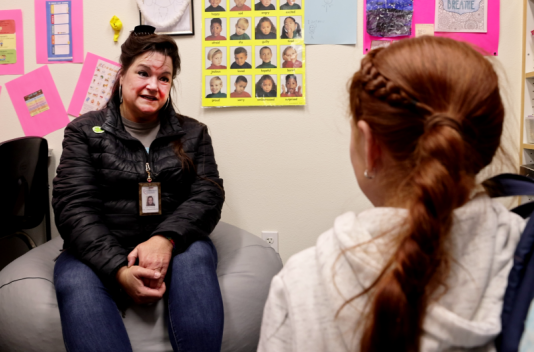
Thanks to a two-year, $200,000 grant from the Women’s Fund, FSA is able to provide therapy services for more than 250 students per year while the agency establishes new state and private funding sources. Currently, FSA therapists provide mental health screenings, crisis and critical incident response, and individual and group counseling to referred students at 32 school sites in the County. Services are provided in the student’s preferred language.
or access a community-based therapist; many would not be able to participate in therapy if it was not offered at school during school hours. School-based counseling is available without transportation, scheduling, or financial considerations. It allows for faster and earlier identification and intervention. It saves money by diminishing the need for more intensive services later. Students’ academic and social outcomes improve.
Past students involved in FSA’s mental health therapy showed statistical reductions in post-traumatic symptoms, attention problems, mood disorders, anxiety, and conduct issues. Funding of therapy services will continue to help reduce these and other mental health issues for students.
Lisa Brabo, Executive Director of FSA shared the story of Mia, who battled strong episodes of depression, anxiety, and suicidal thoughts during her early high school years. Initially resisting therapy, Mia transferred to alternative education.
But then she made the decision to seek help. She committed to attending weekly therapy sessions, with the goal of returning to traditional high school. She showed up to therapy consistently, where she deepened her self-understanding and developed new ways to respond to the strong feelings and thoughts that once had terrified and paralyzed her. Mia was able to return to traditional high school and walk the graduation stage with her friends this past June.
As Lisa says, “school-based therapy can be the catalyst for life-changing growth and change. It can unlock a child’s remarkable capacity to heal.”